
10 Fantasy and Magic Story Prompts for the 11+
Ten original fantasy prompts for 11+ practice — classical fantasy, urban fantasy, and magical realism — with guidance on rules, specificity, and avoiding clichés.
In this article
Why Fantasy Works in 11+ Exams
Fantasy is popular in 11+ exams and for good reason — it allows pupils to demonstrate imagination, world-building confidence, and the kind of original thinking that examiners remember. When a pupil creates a convincing magical world in the first paragraph and then populates it with a character who feels real, the examiner notices. That combination of imagination and craft is exactly what the highest mark bands reward.
The three varieties of fantasy that work particularly well in short exam pieces are:
- Classical fantasy: a created world with its own geography, creatures, and rules
- Urban fantasy: the real contemporary world but with magic hidden inside it
- Magical realism: the ordinary world where one magical thing is treated as completely normal
These ten prompts cover all three types. Practise from each variety to build flexibility for whatever the exam sets.
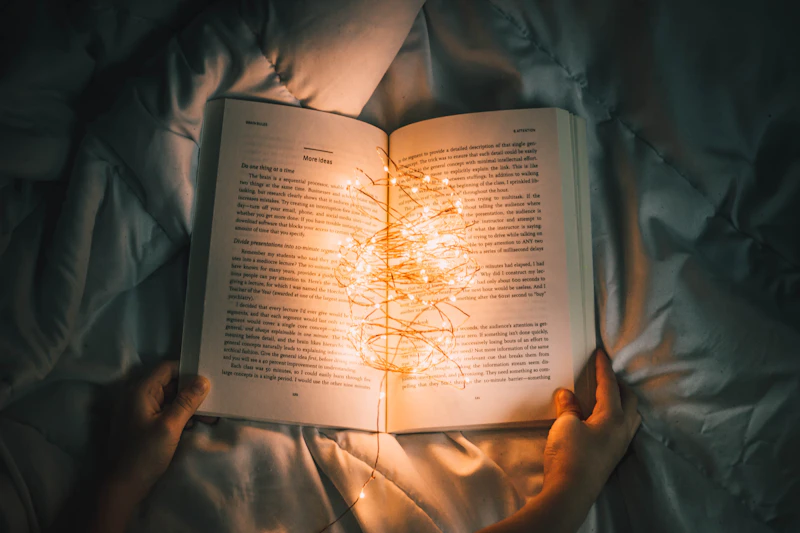
10 Fantasy and Magic Prompts
1. The Word on the Palm (Magical Realism)
World: In this world, every child is born with a single word etched into their palm. The word describes their greatest fear.
Magical element: Most people never look at their word. Your character has just looked at theirs for the first time.
Problem: The word is not what they expected. And it's changing.
2. The Library of Unfinished Stories (Classical Fantasy)
World: A vast library exists between the world of the living and the world of the dead. It contains every story that was started but never finished.
Magical element: Your character has ended up inside it by accident.
Problem: They find a book with their own name on the spine — and the last chapter is blank.
3. The Door in the Wall (Urban Fantasy)
World: The same as ours, except that in every city there is one door — ordinary-looking, unremarkable — that only appears at 3am.
Magical element: Your character is awake at 3am for the first time and sees the door.
Problem: They can hear someone knocking on the other side.
4. The Last Cartographer (Classical Fantasy)
World: A world where maps are alive — they update themselves, and mapmakers are the most powerful profession in the land.
Magical element: Your character is an apprentice cartographer who has just made their first mistake on an official map.
Problem: The mistake has created a new location — one that doesn't exist. And people are already heading there.
5. The Photograph that Changes (Urban Fantasy)
World: Ours, but in your character's family, photographs are alive in a specific way: when something in the family changes, so does the photograph.
Magical element: Your character has noticed that someone is missing from a family photograph — someone who was definitely there yesterday.
Problem: No one else seems to have noticed.
6. The Garden at the End of the Street (Magical Realism)
World: Ours — almost. At the end of an ordinary street, there is a garden that is always in a different season from everywhere else.
Magical element: Your character has always avoided it. Today, for the first time, the gate is open.
Problem: Inside, someone is waiting. And they know the character's name.
7. The Colour That Doesn't Exist (Classical Fantasy)
World: A world where colours have power — each colour unlocks a specific ability when worn or used.
Magical element: Your character can see a colour no one else can see. They have never told anyone.
Problem: Someone notices them looking at it.
8. The Market at the Edge of Sleep (Magical Realism)
World: Between being awake and being asleep, there is a market that everyone visits. Most people don't remember it when they wake. Your character does.
Magical element: Tonight, they have accidentally brought something back from the market.
Problem: The object belongs to someone else who also remembers.
9. The School with One Locked Room (Urban Fantasy)
World: An ordinary school — except for one classroom at the end of the east corridor that has been locked for fifteen years.
Magical element: The lock clicks open on the first day of term. No key, no explanation.
Problem: Your character is the first to notice. And the room inside looks exactly like their bedroom at home.
10. The River That Flows Uphill (Classical Fantasy)
World: A mountain kingdom where a river has always flowed uphill — a natural wonder, and a source of the kingdom's power.
Magical element: Overnight, the river has reversed direction.
Problem: Your character is the only one who knows why — and the reason will put them in danger.
The Rules of Fantasy Writing for 11+
Fantasy has specific requirements in a short exam piece:
Establish the magic quickly
The reader needs to understand your magical world within the first paragraph. One or two clear sentences that state the rules — what is magical, what those rules are, what the character's relationship to the magic is. Then move directly into the story. Readers don't need paragraphs of world-building; they need a clear premise and a compelling character.
Use specific details to ground the reader
The danger of fantasy is vagueness. Generic magical forests, generic magical objects, generic magical powers. Ground your story in specific details: the smell of the library between worlds, the exact sound the living map makes when it updates, the precise quality of the colour that no one else can see. Specific details make fantasy worlds feel real.
Don't let the magic solve the problem
The character must solve the problem, using human qualities — courage, kindness, intelligence, creativity. The magic creates the situation. The character resolves it. If the magic does all the work, the story has no character at its heart.
Avoiding Generic Fantasy
Examiners have read thousands of fantasy stories that borrow their ideas from published series. Dragons, orcs, prophecies, chosen ones, dark lords, magical academies — these feel familiar rather than original because they've been read so many times.
To stand out, add a personal twist to familiar ideas:
- Not 'a magical door' but 'a door that only appears to people who are genuinely lost'
- Not 'a prophesied hero' but 'someone who has just realised the prophecy describes them, and who absolutely doesn't want it to'
- Not 'a forest full of magic' but 'a forest where the trees grow backwards — from fruit to blossom to bud to sapling — and entering it ages you in reverse'
Each twist makes the idea your own. The familiar concept becomes original because you've added a specific, unexpected detail that no other pupil will have thought of.
Creating Original Magical Details
The best fantasy writing, at any level, creates magical details that feel both surprising and, on reflection, inevitable. Here's how to find them:
- Start with an ordinary object or experience. A library. A garden. A photograph. A market. Something you know well.
- Add one magical property that changes its nature. What if the library contained unfinished stories? What if the garden was always in a different season? These are the prompts above — but you can create your own.
- Ask: what are the rules? Every magic system has rules, even if they're not stated explicitly. The rule of the library is that it exists between life and death. The rule of the door is that it only appears at 3am. Clear rules make magic feel real and consistent.
- Ask: what's the cost or complication? Magic that has no price is not very interesting. The magic map creates a location that doesn't exist — and people immediately go there. The photograph that changes also shows what's missing. Complication creates story.
Frequently Asked Questions
Stay Updated with PenLeap
Get the latest tips on creative writing, 11+ exam preparation, and AI-powered learning straight to your inbox. Join thousands of parents and students.
Subscribe to NewsletterFree • No spam • Unsubscribe anytime
Ready to Improve Your Writing?
Get instant AI feedback on your 11+ creative writing. Join thousands of students already using PenLeap.
Start FreeNo credit card required • Free to start