
When to Use Past and Present Tense in 11+ Creative Writing
Learn when to write in past tense and when present tense works better, how to stay consistent, and how to handle tense shifts such as flashbacks.
In this article
Choosing Your Tense
One of the first decisions you make when writing a story is which tense to use. This choice shapes the entire feel of your narrative, and 11+ examiners will notice immediately whether you have made a clear, deliberate choice — or whether your tenses wander about without purpose.
The two main tenses used in creative writing are the past tense and the present tense. Each creates a different effect, and both are perfectly acceptable in the 11+ exam. What matters most is that you choose one, understand why you have chosen it, and stick with it consistently.
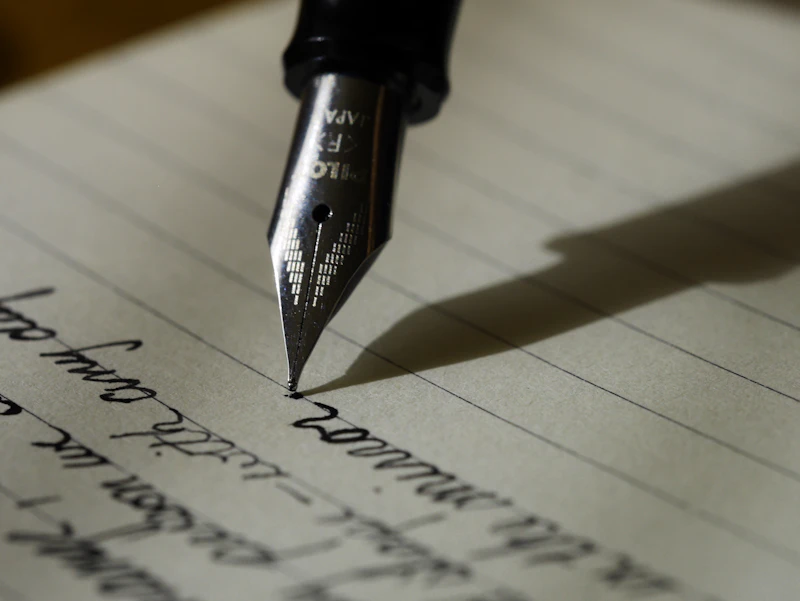
Past Tense for Narratives
The past tense is by far the most common choice for storytelling, and for good reason. It feels natural because we almost always talk about events that have already happened: "I went to the park," "She found the letter," "The door opened."
Why Past Tense Works Well
- It feels familiar. Most novels, short stories, and fairy tales are written in the past tense. Readers — and examiners — are comfortable with it.
- It allows reflection. Because the events have already happened, the narrator can comment on them, hint at what is coming, or share how they felt: "I did not realise then how much that moment would change everything."
- It is easier to control. The past tense has clear, well-known forms (simple past, past continuous, past perfect), making it harder to make errors.
Key Past Tense Forms
- Simple past: She walked to school. The clock struck twelve. — Use for main events and actions.
- Past continuous: Rain was falling steadily. Birds were singing in the hedgerow. — Use for background descriptions and ongoing actions.
- Past perfect: He had already left by the time she arrived. — Use when referring to something that happened before the main events of the story.
The village square was deserted. Leaves skittered across the cobblestones, and the fountain, which had not worked in years, stood dry and cracked. Mia pulled her scarf tighter and hurried towards the bakery.
In this passage, the simple past (was deserted, pulled, hurried) carries the main action, the past continuous (skittered — though here it functions as simple past, showing habitual motion) adds atmosphere, and the past perfect (had not worked) places a detail further back in time.
Present Tense for Immediacy
Writing in the present tense places the reader right inside the action, as though everything is happening now. It creates a sense of urgency and immediacy that can be thrilling — but it is also harder to sustain.
The corridor stretches ahead, dark and endless. My footsteps echo off the walls. Somewhere behind me, a door slams. I run.
Present tense is particularly effective for:
- First-person narratives where you want the reader to experience events alongside the character.
- Tense, fast-paced scenes such as chases, discoveries, or moments of fear.
- Stories with an unreliable narrator, because the character cannot know what will happen next — and neither can the reader.
A word of caution: Present tense is harder to maintain consistently, especially under exam pressure. If you choose it, you need to be confident. A single slip into past tense ("I open the door. The room was dark.") will be noticed. If you are unsure, the past tense is the safer choice.
Consistency Rules
The single most important rule about tenses in the 11+ is consistency. Once you have chosen your main tense, you must stick with it. Accidental tense shifts are one of the most common errors examiners flag.
How to Stay Consistent
- Decide your tense before you start writing. Note it at the top of your plan (e.g., "past tense, third person").
- Read back each paragraph during your checking time. Look specifically for verbs that do not match your chosen tense.
- Watch out for dialogue tags. Even if your characters speak in the present tense (as people naturally do), the tags around the speech should match your narrative tense: "I can't believe it," she whispered (past) or "I can't believe it," she whispers (present).
Common Consistency Mistakes
Wrong: The old man sat by the fire. He looks up as I entered.
Right: The old man sat by the fire. He looked up as I entered.
The most frequent trigger for accidental shifts is writing an exciting or emotional moment. Students get caught up in the action and slip into present tense without realising. Being aware of this tendency is the first step to preventing it.
Tense Shifts for Flashbacks
There is one important exception to the consistency rule: deliberate tense shifts for flashbacks and memories. If your main narrative is in the past tense and your character remembers something from earlier, you can use the past perfect to signal the shift.
She stared at the photograph on the mantelpiece. She had been only six years old when it was taken. Her grandmother had held her hand and told her to smile at the camera. She remembered the smell of lavender and warm scones.
The past perfect ("had been", "had held") signals to the reader that we are moving further back in time. After a sentence or two, you can return to the simple past ("remembered") to avoid the flashback feeling clunky.
Flashbacks in Present-Tense Narratives
If your main narrative is in the present tense, use the simple past for flashbacks:
I stare at the old photograph. I was only six when it was taken. Gran held my hand and told me to smile. I remember the smell of lavender. I put the photo down and keep walking.
Notice how the shift to simple past clearly marks the memory, and the return to present tense brings us back to the "now" of the story.
What Examiners Prefer
Examiners do not have a preference for past or present tense — both are equally valid. What they do reward is:
- A clear, consistent choice of tense throughout the piece.
- Deliberate shifts that are clearly controlled (e.g., flashbacks using the past perfect), not accidental slips.
- Range within the chosen tense: If writing in the past, using simple past, past continuous, and past perfect shows grammatical sophistication.
- Confidence: Whichever tense you choose, committing to it fully is more impressive than wobbling between the two.
Our recommendation: Unless you have practised present tense extensively and feel confident, choose past tense for your 11+ exam. It is easier to manage under pressure, gives you more tools for flashbacks and reflection, and eliminates the risk of accidental tense shifts. Save present tense for when you have had plenty of practice and know you can sustain it.
Frequently Asked Questions
Stay Updated with PenLeap
Get the latest tips on creative writing, 11+ exam preparation, and AI-powered learning straight to your inbox. Join thousands of parents and students.
Subscribe to NewsletterFree • No spam • Unsubscribe anytime
Ready to Improve Your Writing?
Get instant AI feedback on your 11+ creative writing. Join thousands of students already using PenLeap.
Start FreeNo credit card required • Free to start