
A Reading List to Boost Your Child's 11+ Creative Writing
Recommend 20 books across four categories: books with outstanding descriptive writing (for vocabulary and atmosphere), books with clever plot structures (for story planning), books with strong dialogue (for conversation skills), and books with distinctive narrative voices (for developing style). For each book, explain why it helps creative writing specifically, with a short extract or technique to notice. Include a mix of classics and modern titles that Year 5/6 children will genuinely enjoy. Avoid making reading feel like homework; frame it as the secret weapon of strong writers.
In this article
Why reading still matters so much
This article will recommend 20 books across four categories: books with outstanding descriptive writing (for vocabulary and atmosphere), books with clever plot structures (for story planning), books with strong dialogue (for conversation skills), and books with distinctive narrative voices (for developing style).
The practical focus is books with outstanding descriptive writing (for vocabulary, atmosphere), books with clever plot structures (for story planning), books with strong dialogue (for conversation skills).
The aim is not to turn home into a classroom. It is to make the next step clearer and calmer.
This reading list draws on [the founder's notes on building readers](https://viveksinra.com), which explore how steady, varied exposure to good sentences shapes a child's writing voice over time.
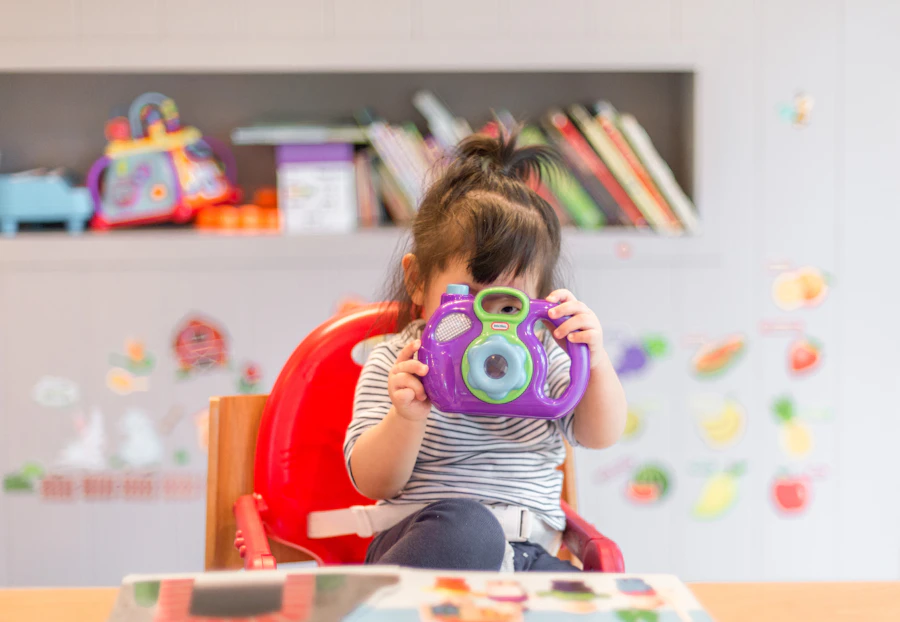
Outstanding description
These books are especially helpful for outstanding description.
- The Explorer by Katherine Rundell
- The Wolves of Willoughby Chase by Joan Aiken
- Journey to the River Sea by Eva Ibbotson
- The Secret Garden by Frances Hodgson Burnett
- Varjak Paw by S. F. Said
Clever plot structure
These books are especially helpful for clever plot structure.
- The London Eye Mystery by Siobhan Dowd
- Murder Most Unladylike by Robin Stevens
- A Series of Unfortunate Events by Lemony Snicket
- The Nowhere Emporium by Ross MacKenzie
- Skellig by David Almond
Strong dialogue
These books are especially helpful for strong dialogue.
- Wonder by R. J. Palacio
- Harry Potter and the Philosopher's Stone by J. K. Rowling
- Goodnight Mister Tom by Michelle Magorian
- Holes by Louis Sachar
- The Boy at the Back of the Class by Onjali Q. Rauf
Distinctive narrative voice
These books are especially helpful for distinctive narrative voice.
- The Boy in the Dress by David Walliams
- The Nothing to See Here Hotel by Steven Butler
- The Last Bear by Hannah Gold
- When the Sky Falls by Phil Earle
- A Kind of Spark by Elle McNicoll
How to read like a young writer
Children do not need to annotate every page. A light-touch reading notebook is enough: copy one strong sentence, one word worth keeping, and one technique worth trying later.
Frequently Asked Questions
Stay Updated with PenLeap
Get the latest tips on creative writing, 11+ exam preparation, and AI-powered learning straight to your inbox. Join thousands of parents and students.
Subscribe to NewsletterFree • No spam • Unsubscribe anytime
Ready to Improve Your Writing?
Get instant AI feedback on your 11+ creative writing. Join thousands of students already using PenLeap.
Start FreeNo credit card required • Free to start